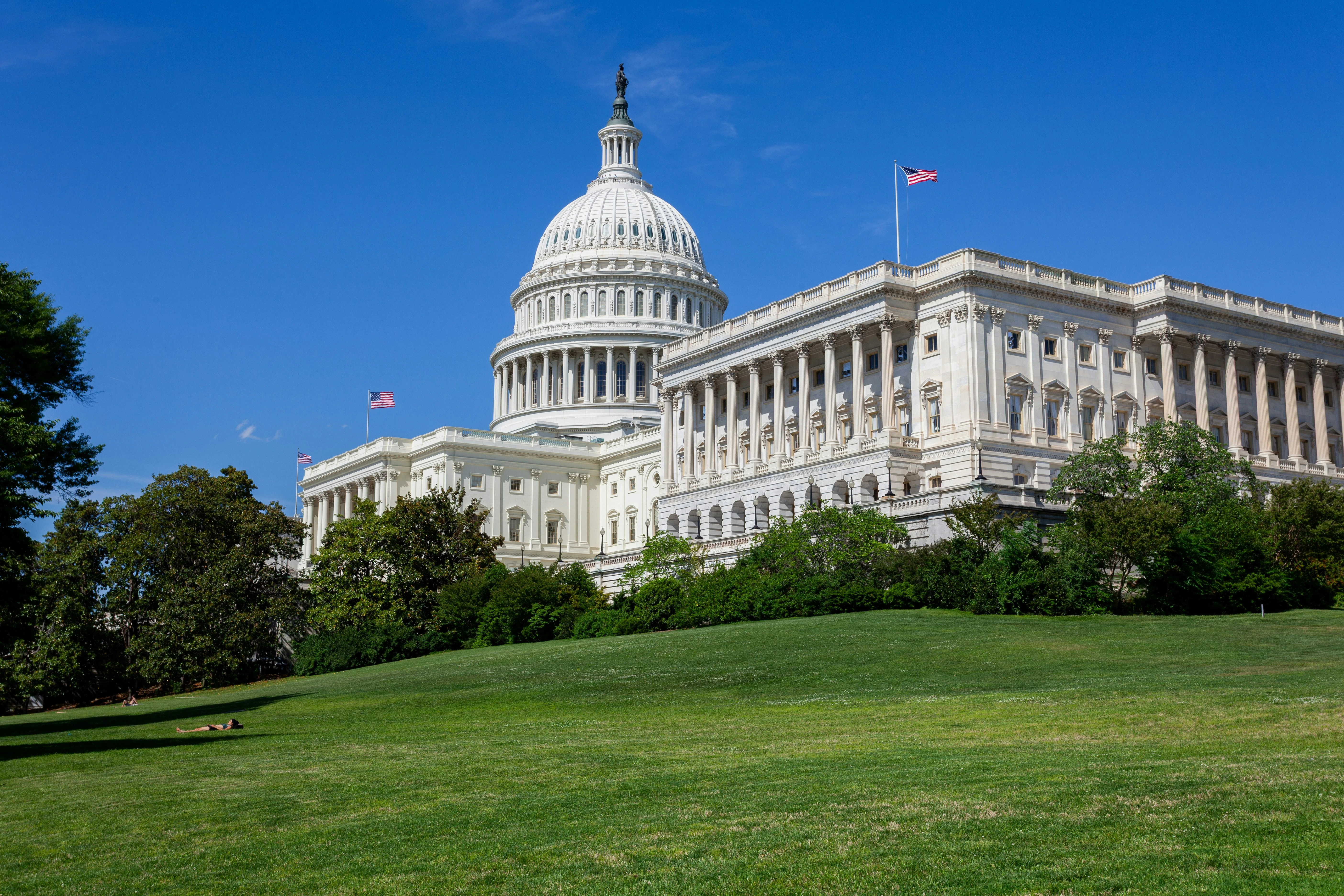


The vote on the crypto market structure bill, the CLARITY Act, has been delayed until September.
Alongside time constraints before the August recess, there is a growing worry that the Senate is not fully ready to pass the bill.
Republican Senate Majority Leader John Thune said the vote will not take place in August as the Democratic Party is “insistent on no Clarity vote.”

Last-Minute Negotiations
Several issues have appeared as the CLARITY Act is prolonged again.
While the White House recently agreed to ethics provisions that appeared in July’s draft, some Democratic Senators were not happy with the extent of enforcement allowed in digital asset oversight.
This led to two more weeks of negotiations between Senator Thom Tillis (Rep) and Senator Ruben Gallego (Dem). Together, they presented a bipartisan counteroffer for government ethics language in the bill to the White House.
Notably, it requests greater transparency via reporting requirements.
The emphasis here is on President Donald Trump’s declared $1B+ in income from related crypto activities.
The President already agreed to divest holdings and transfer ownership to a blind trust. But there has been no response indicating a further compromise.
Clarity Act on Several Fronts
Also, there is a renewed lobbying effort from the banking groups to change stablecoin yield parameters.
Following the long negotiations phase between January and June, the Clarity Act added extra language to protect banks’ worries about potential deposit flight to stablecoins.
New stablecoin yield language was finalized after the Senate Banking Committee passed the draft.
There is now emphasis on amending language that was approved by the banking groups and key bipartisan negotiators a few months earlier. This is to tighten the seal on any third-party or promotional stablecoin yield/reward programs.
This week, a piece in the Wall Street Journal highlighted the cons of the proposed legislation, coupled with a 1-page analysis from the Minority Staff of the Senate Banking Committee.
Lastly, other bits of blockade include attempts to amend the Blockchain Regulatory Certainty Act (BRCA).
This is a section of the bill that has seen positive support from law enforcement groups. Notably, they concluded the provision doesn’t limit their ability to “address unlawful conduct involving digital assets.”
What’s Next?
The Clarity Act will now be expected to have a vote in early September, according to Politico.
Negotiations between both parties, key sponsors, and others are expected to resume in the meantime,
There need to be 2 votes. One for a motion to proceed, and another for cloture. This is before getting to the actual vote of support to pass the Clarity Act in the Senate.
Cloture itself requires 30 hours of debate, after which additional amendments can be included in the draft.
Afterwards, if the final vote gets 60 or more in support of the bill, the CLARITY Act then heads over to the U.S. House. It will either be merged with their version from last year, or members will choose to push through the Senate’s version.
Once all of this is accomplished, the bill can be sent to the President’s desk and signed into law.
Diminishing Odds
The CLARITY Act’s deliberately self-imposed deadline was to ensure it saw at least 1 confirmed vote before the August recess.
This is due to November’s midterms, meaning that from September onwards, Senators will be focused on securing as many wins for their party at the ballot box.
Several other legislative agendas will also be taking up Senate floor time. This could make early September the last opportunity to push the bill in 2026.
According to prediction markets, the odds of a 2026 vote have dropped significantly.
Odds ranged from over 70% to around 30% throughout the year. Now, Polymarket puts the chance of a successful final vote in 2026 at 13%.
Importantly, the Senate passed a bill in April preventing members from participating in these kinds of markets. This should, ideally, lay to rest any concerns over conflicts of interest.